
Long-Term Clothing Storage: Best Tips to Keep Clothes Fresh
You pull out last year's festive suit set for a wedding, only to find the dupatta creased beyond repair, the zari work slightly dulled, and a faint musty smell that no amount of airing seems to fix. Most of us have opened a storage box to this exact disappointment at least once. The clothes were expensive, sometimes irreplaceable, and yet a few months in a bag undid all of that.
Long-term clothing storage is not complicated, but it does need a bit more thought than folding things into a suitcase and forgetting about them. Get it right, and your favourite pieces come out looking the way they did the day you bought them.
Getting Storage Right for the Long Haul

The biggest mistake most people make is reaching for plastic bags or airtight containers, assuming they keep clothes safest. Plastic actually traps moisture, which is exactly what leads to that musty smell and, over time, mildew. Cotton garment bags or breathable fabric covers let air circulate while still keeping dust out, which matters far more for long-term storage than sealing everything shut.
A few habits make a real difference here. Always wash or dry clean clothes before storing them, since stains and body oils that seem invisible now will set permanently over months of storage. Add silica gel sachets or a few cedar blocks to absorb moisture and keep insects away, rather than mothballs, which leave behind a chemical smell that lingers long after you take the clothes back out. Keep storage boxes away from direct sunlight and damp corners of the house, both of which speed up fading and fabric damage far more than people expect.
Why Attire Type Changes How You Should Store It
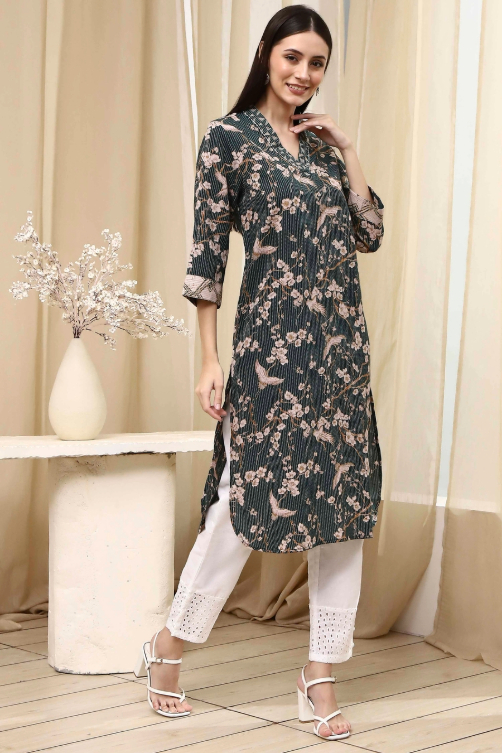
Not all women's clothing needs the same storage approach. A plain cotton kurta and an embroidered festive dress will not survive the same treatment equally well.
Structured or embellished pieces, sequins, zari, delicate embroidery, should be folded rather than hung, since hangers stretch the fabric at the shoulders over time and cause the embellishment to sag or crack. Wrap them individually in muslin cloth or acid-free tissue paper before placing them in a box, which prevents the embroidery from snagging on other garments nearby.
Everyday western wear and simple cotton pieces are more forgiving and can usually be hung without issue, as long as they are on padded or wooden hangers rather than thin wire ones that leave permanent marks at the shoulder seam.
Storing Suits and Dresses Without Losing Their Shape
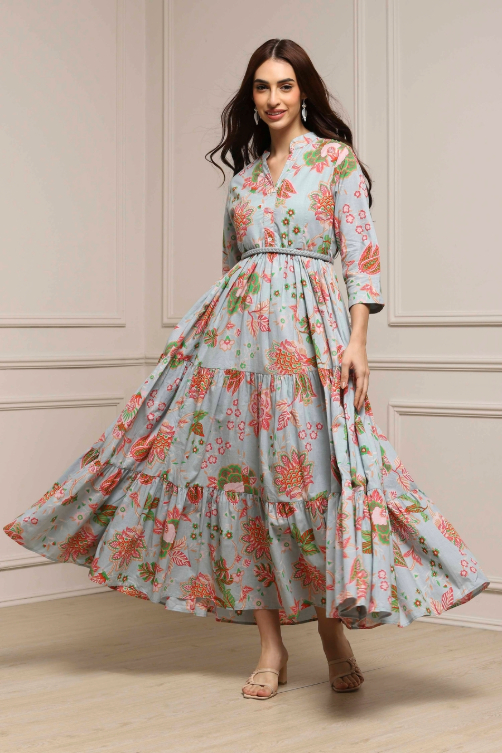
Suit sets bring their own small challenge, since they usually involve two or three separate pieces, a kurta, bottom, and dupatta, that need to stay together and keep their shape equally well.
Fold dupattas loosely rather than tightly, and avoid stacking heavy pieces directly on top of them, since sharp folds held for months tend to leave permanent crease lines, especially in silk or chiffon. Store the kurta and bottom of a set together in the same bag or box, ideally with a small note or tag if you own several similar sets, so you are not left guessing which dupatta belongs to which outfit months later.
Dresses with structured shoulders or pleats do best hung on padded hangers with the pleats gently smoothed rather than folded, since pleats that are compressed for long periods rarely bounce back to their original shape.
Where Biba Fits Into the Storage Conversation

At Biba, a large part of our own suit set lineup is designed to be worn across seasons and occasions, which means good storage between wears genuinely extends how long a set stays wearable. Whether it is a festive suit set brought out once a year or an everyday kurta and trouser combination in regular rotation, storing pieces correctly keeps the fabric, embroidery, and colour looking the way they did on the day you bought them. It is a small habit that protects the wardrobe you have already built, rather than one that requires buying anything new.
A Wardrobe Worth Protecting
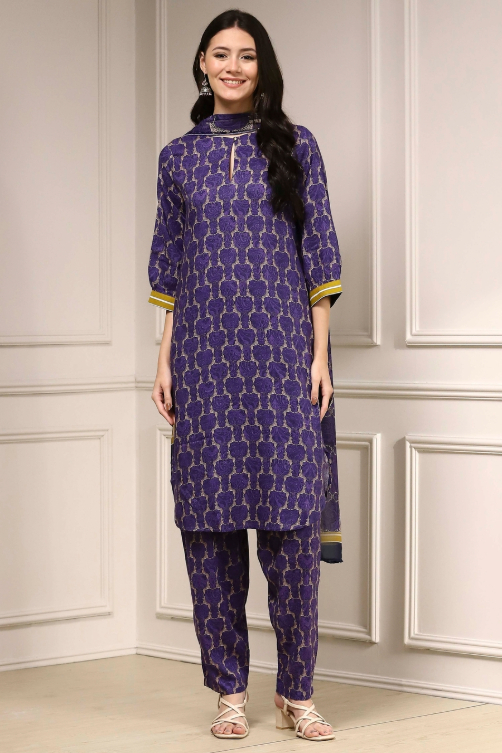
Good storage is less about elaborate systems and more about a few consistent habits, clean before you store, use breathable fabric rather than plastic, and treat embellished or structured pieces differently from simple everyday wear. Do this consistently, and your favourite suit sets and dresses will still look ready to wear whenever the next occasion calls for them.
FAQS
Q. What is the best long-term storage solution for clothes?
A. Breathable cotton garment bags work far better than plastic for long-term storage, since they prevent moisture buildup while still keeping dust away. Pair them with silica gel sachets or cedar blocks, and store boxes away from direct sunlight and damp areas.
Q. How to keep clothes smelling fresh while in storage?
A. Always store clothes clean and completely dry, since any trapped moisture or body oil leads to musty odours over time. Cedar blocks or a few dried neem leaves placed inside the storage bag also help keep both smell and insects away naturally.
Q. How to keep clothes looking fresh and new?
A. Fold embellished or structured pieces instead of hanging them to prevent stretching and sagging, and wrap delicate fabrics in muslin or acid-free tissue. Rotating your wardrobe seasonally, rather than leaving pieces untouched for years, also helps them stay in better shape.
Q. Where to buy clothes for women?
A. Biba offers a wide range of women's clothing, from everyday kurtas and suit sets to festive and occasion wear, available both online and across stores. It is a good starting point if you are looking to refresh your wardrobe with pieces built to last well beyond one season.