
Why Fashion Shoppers Are Choosing Multi-Use Outfits
Something has changed in how women shop. The old idea of buying an outfit for every single occasion is losing ground, and in its place, a more thoughtful approach is taking hold. Among the biggest women's fashion trends right now is a move toward pieces that do more and clothes that carry a woman from one part of her day into the next without a full wardrobe change.
This isn't just about saving money, though it certainly does that. It's about buying with intention. Shoppers today are tired of closets stuffed with clothes worn once and forgotten. They want versatile outfits for women that earn their place, pieces that adapt, layer, and repeat without ever looking repetitive.
Biba has built much of its collection around exactly this idea, pairing ethnic craftsmanship with the kind of everyday functionality that busy women actually need. The result is a wardrobe that feels considered rather than cluttered.
How Versatile Outfits Simplify Everyday Dressing
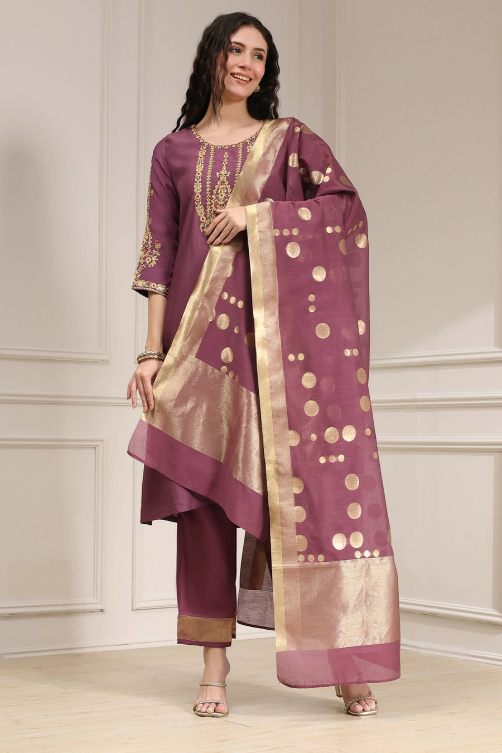
There's a particular kind of fatigue that comes from standing in front of a full closet and still feeling like you have nothing to wear. Decision fatigue is real, and clothing is one of the first places it shows up, especially on mornings when time is short and the day ahead includes three different kinds of commitments.
This is where everyday outfits built for flexibility earn their keep. A well-made kurta set or a straight-cut dress doesn't ask you to think too hard. It works with sandals for a school run, holds up through a full workday, and still looks intentional if plans shift toward the evening.
Quality plays a bigger role here than most people expect. Fabric that breathes, seams that don't strain by midafternoon, and cuts that move with you. These details are what actually make a piece easy to reach for, day after day. When your basics work this hard, getting dressed stops being a decision and starts being a habit.
From Desk to Dinner: Mastering the Day and Night Outfit
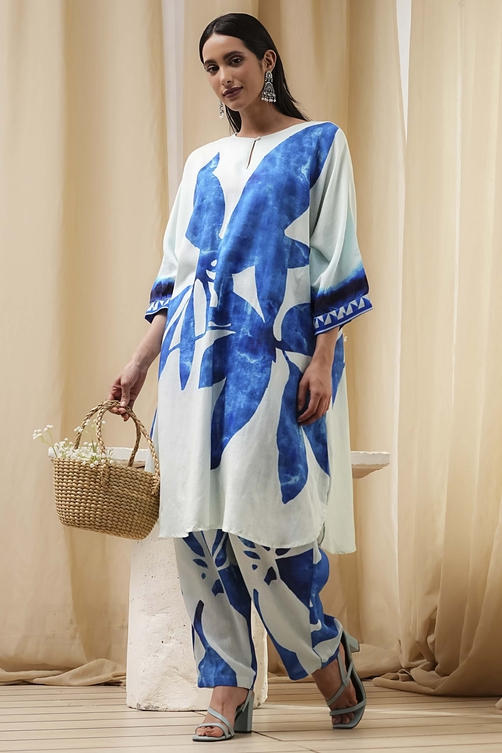
Few things feel as satisfying as leaving the house once and being ready for whatever the day brings. Mastering the day and night outfit isn't about owning more clothes. It's about choosing the right foundation pieces and knowing how to shift them.
A multi-use dress is the clearest example. Worn with flats and minimal jewellery, it reads as polished and professional. Swap in heeled sandals, a statement earring, and a bold lip, and the same dress carries an entirely different energy for dinner or an evening gathering. Co-ord sets work the same way: the top layered under a blazer for meetings, then worn alone with heels once the sun goes down.
Transitional outfits like these rely on structure rather than trend-driven details, which is exactly why they last through more than one season and more than one occasion. A blouse-and-skirt combination, for instance, can be dressed formally with tailored pieces or made relaxed with a denim jacket thrown over it.
The real skill isn't owning the right clothes. It's learning to see each piece as a starting point rather than a finished look.
Create More Looks with a Thoughtfully Curated Wardrobe
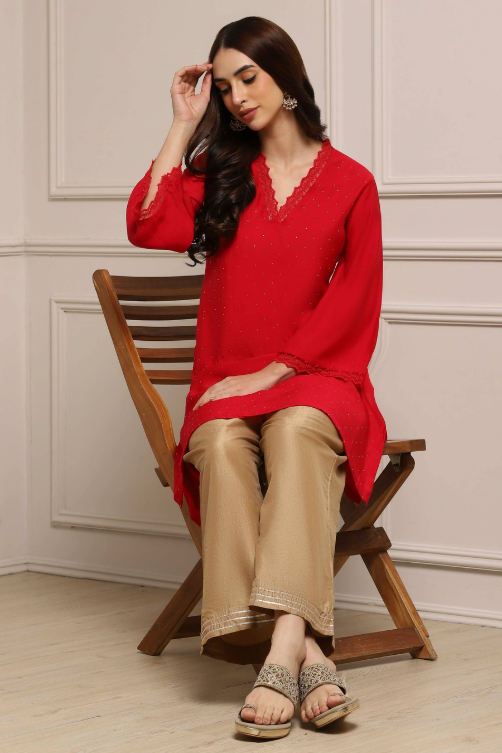
Getting more mileage from fewer pieces comes down to a few practical habits, and most of them are simpler than they sound.
Start with separates, not sets. A kurta paired with straight pants reads differently than the same kurta worn over palazzos or a fitted skirt. Each new bottom essentially gives you a new outfit.
Layer with intention. A shrug or an open jacket over a plain kurta changes the silhouette instantly, adding structure to something simple without any real effort.
Rotate your accessories, not just your clothes. A statement dupatta, a change in footwear, or a different bag can shift the same base outfit from casual to occasion-ready.
Exploring different dress styles for women- a shirt-style kurta, a high-low hem, a fit-and-flare cut gives you more combinations to draw from without expanding your closet significantly. Take the Pink Floral Cotton Shirt-Style Short Kurta, for example. Its collared, buttoned structure means it can be worn open over a plain kurti as a light layer, tucked into jeans for a casual weekend look, or belted for something a little sharper. One piece, several distinct outfits, depending on how it's styled.
The Blue Cotton Blend High-Low Straight Shirt offers a similar advantage. The high-low hem gives it movement that a standard straight cut doesn't have, so it works equally well tucked halfway into trousers for a relaxed office look or left loose over leggings for something easy on a weekend.
Wear It More: The Value of Mindful Shopping
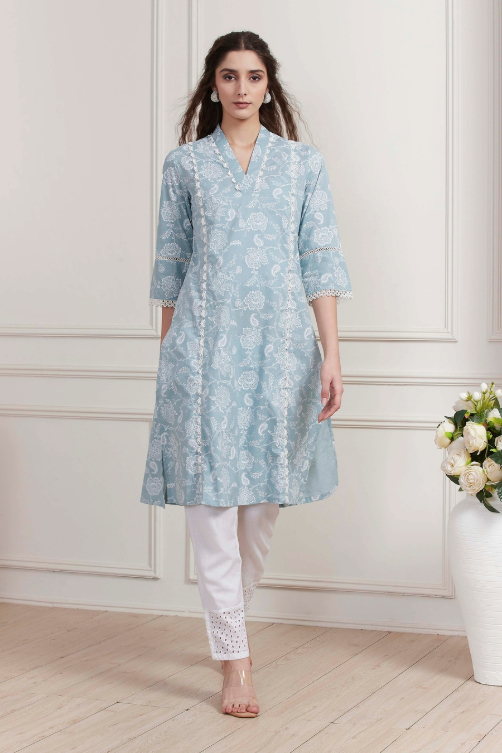
There's a simple concept worth applying to every clothing purchase: cost-per-wear. A piece that costs more upfront but gets worn forty times works out cheaper and is more valuable than a bargain buy that sits in the closet after two outings.
Versatile outfits for women naturally score well on this measure because they aren't limited to a single occasion or season. A well-cut kurta set that moves from festive gatherings to casual weekends does more work than five trend pieces bought for one event each.
This shift also has a quieter benefit: less clutter, less decision-making, and less waste. Buying fewer pieces that genuinely earn repeat wear is, in its own way, one of the more practical forms of sustainable living, no drastic lifestyle change required, just slightly smarter choices made at the point of purchase.
Discover Your Next Style Investment
Building this kind of wardrobe doesn't require an overhaul. It usually starts with identifying which categories already work hardest for you and adding thoughtfully from there.
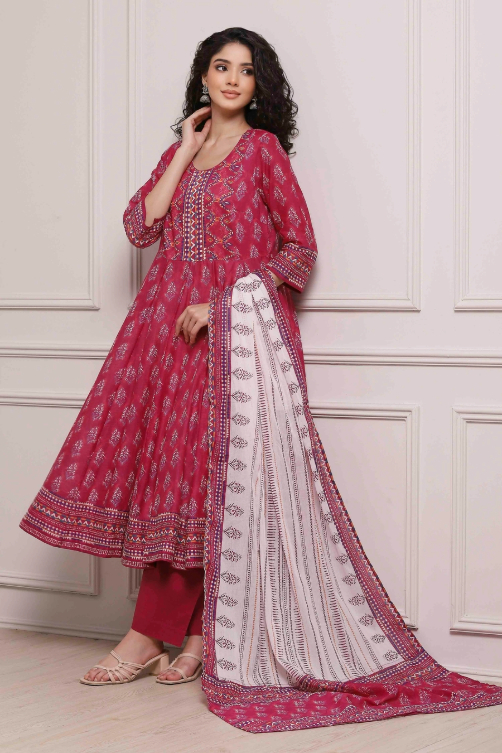
Biba Kurtas remain a strong foundation for exactly this reason: easy to dress up or down depending on what's paired with them. Anarkali Suit Sets bring a similar flexibility to festive dressing, while Mix & Match Fusion Tunics are built specifically for the kind of layering and pairing discussed above. For days that call for something quicker, Smart Casual Dresses offer a one-and-done option, and Shrug Sets remain one of the simplest ways to change the shape and formality of an existing outfit without buying anything new to go under it.
None of these need to be bought all at once. Adding one or two pieces that genuinely multiply your outfit options will do more for your wardrobe than a dozen impulse buys.
Conclusion
Multi-use outfits aren't a passing moment in women's fashion trends. They reflect a genuine shift in how women want to shop and dress. Choosing adaptable clothing saves time on busy mornings, saves money over the long run, and saves space in a closet that no longer needs to hold clothes for every single occasion.
The next time you're deciding what to add to your wardrobe, take a moment to audit what's already there. Notice which pieces you reach for again and again, and look for what's missing to make them work even harder. A wardrobe built this way doesn't just look good, but it works for you, every single day.